
Nationwide quantum training program selects third cohort of students | Chicago Quantum Exchange

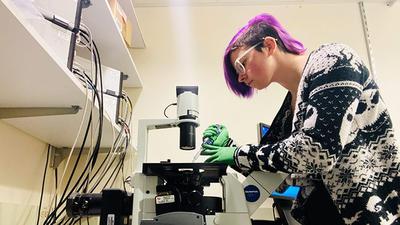
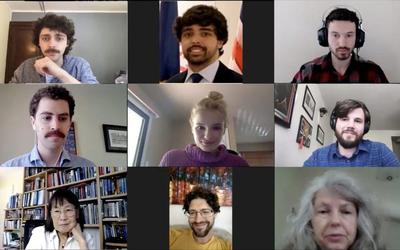
A leading nationwide training program for quantum science and engineering has accepted 25 graduate students from across the country. The Quantum Information Science and Engineering Network (QISE-NET), an initiative funded by a $2.5M award from the National Science Foundation (NSF), welcomes its third cohort this fall. As the new cohort of QISE-NET scholars begins their work, applications for QISE-NET’s fourth cohort are now open.
Study shows how low-cost auto safety features would reduce traffic deaths in some countries

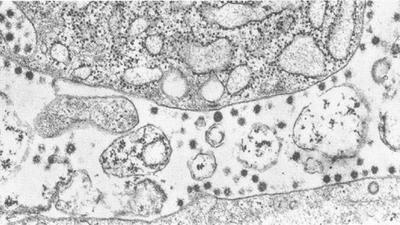
Despite having fewer cars and drivers on the roads, low- and middle-income Latin American and Caribbean countries experience higher death rates from traffic deaths each year compared to high-income countries, such as the U.S. and countries in Europe. Many of these cars in Latin American and Caribbean countries are less than 10 years old, so why do these countries still have higher numbers of traffic-related deaths? One reason may be the lack of proven successful technological safety features.

Graduate students organize to provide face masks and first aid supplies for protesters

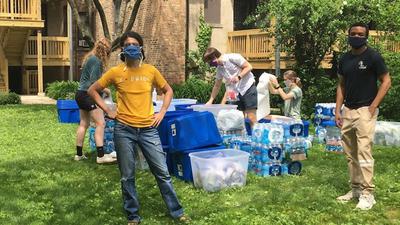
With the ongoing COVID-19 public health crisis and Black Lives Matter protests occurring within Chicago, keeping Chicago’s South Side communities safe is at the forefront of many people’s minds. University of Chicago Biological Sciences Division graduate students Christina Roman and DeQuantarius (DJ) Speed came up with a way to support the ongoing protest movements while aiding in public health and safety at the same time. Speed and Roman created “protester packs”

Study reveals complex hemoglobins simple beginnings

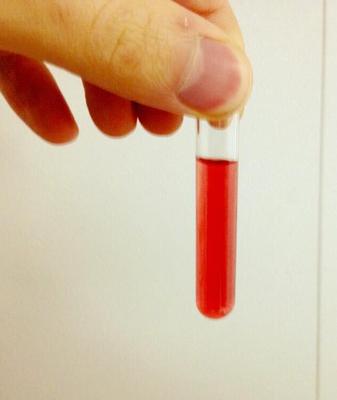
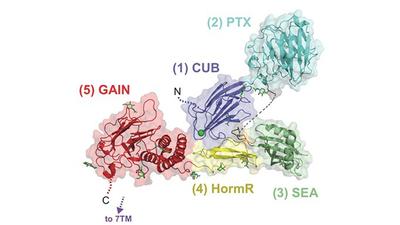
Most biological processes are carried out by complexes of multiple proteins that work together to carry out some function. How these complicated structures could have evolved is one of modern biology’s great puzzles, because they generally stick together using elaborate molecular interfaces, and the intermediate forms through which they came into being have been lost without a trace. Now an international team of researchers led by University of Chicago Professor Joseph Thornton, PhD, and gradua

Shifts in chemical rhythms may lead to obesity

Obesity is a common health problem affecting over 90 million adults in the United States, However, how different chemical signals in the body respond to this disease continues to remain unclear. A new study from researchers at the University of Chicago published in the Journal of Clinical Endocrinology and Metabolism helps to untangle how part of the nervous system changes in adults affected by obesity, and what role this plays in appetite, eating behaviors, and even sleep cycles.

More than genes: How noncoding DNA controls cell types for vision

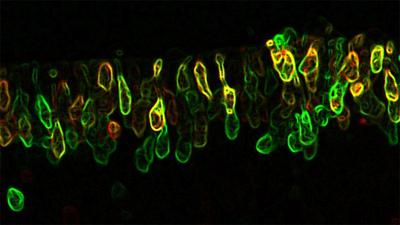
DNA contains the instructions for every component, function, and life cycle of each individual cell. The DNA library is expansive and vast, but all cells in our body use the same template. So, how is it that different cells within our bodies can use the same DNA, or genome, to make so many different cell types? How can the same instructions direct the cells of the heart, of the eye, and of every other part of our bodies?